
Wellbeing Week at Godolphin
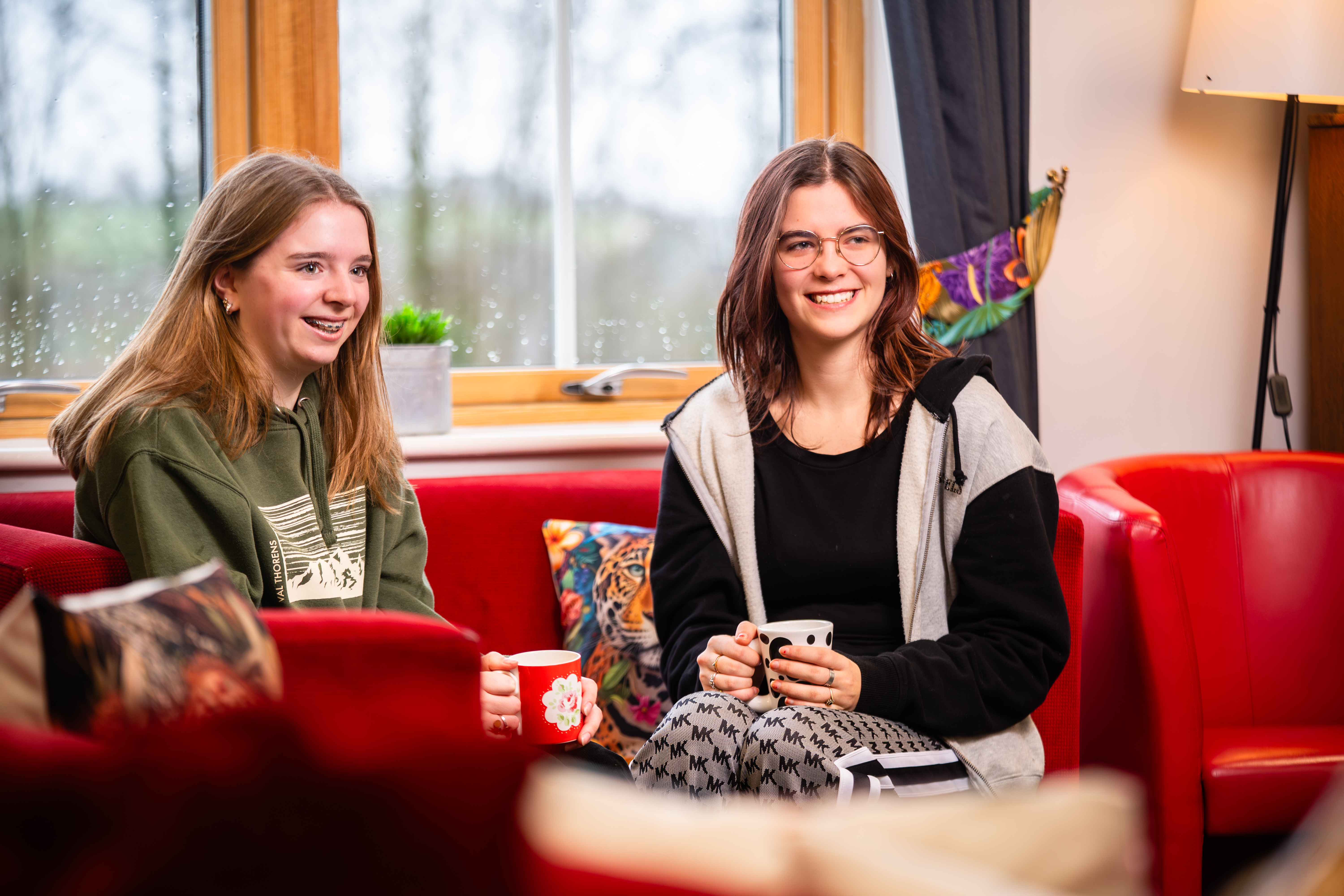
Focusing on balance, connection and support for pupils and staff
This week at Godolphin, our community has come together to celebrate Wellbeing Week, a dedicated opportunity for pupils and staff to pause, reconnect, and nurture both their own wellbeing and that of those around them.
Across the school, tutor groups and year teams have been taking part in small but meaningful activities designed to encourage calm, creativity and connection. From mindful colouring, to wildlife walks across our beautiful grounds, to learning how to make origami stars, each activity has served as a reminder that self-care doesn’t need to be complicated to be effective.
To explore this further, we spoke with our Pastoral Lead and Head of Upper School, Maddie Bayliss, about what wellbeing means within a school environment and why weeks like this matter.
Q&A with Pastoral Lead, Maddie Bayliss
What does “wellbeing” mean in a school environment?
“Wellbeing means that everybody feels able to make the most of each day — that they feel safe and supported so they can thrive in all areas of school life. Pastoral support is there when things don't quite go the way we would like them to, but it’s also about creating an environment where pupils feel valued by those around them, and confident in their own abilities to manage challenges.”
Why is Wellbeing Week important for pupils and staff?
“It gives us a dedicated week to reflect on ways that help us all feel balanced and healthy, to create conversations and discover new methods of self-care. It reinforces that mental and emotional health deserve the same attention as academic and co-curricular achievement — and that the two are not mutually exclusive.”
How does the pastoral team support pupils?
The pastoral team offers everything from a listening ear to practical guidance on challenges such as friendship issues or workload stress. Pupils can talk to any member of staff they trust, and more complex concerns may be referred to tutors, Heads of Year, Sister Dandy, or Mrs Firth (SENDCO) for tailored support.
This support may include regular check-ins, targeted interventions, referrals to specialists or reasonable adjustments within school. Godolphin also has a team of trained Peer Supporters offering additional peer-led care.
What signs might suggest a pupil is struggling?
Parents may notice changes such as withdrawal, irritability, mood shifts or a sudden lack of interest in usual activities. Sleep difficulties, increased worry, or appetite changes can also indicate emotional strain. Maddie encourages parents to reach out early so support can be put in place promptly.
What strategies help pupils maintain positive wellbeing?
Simple habits, sufficient sleep, regular breaks, time outdoors, screen-free moments, and physical activity, can make a meaningful difference. Predictable routines help reduce anxiety and create a sense of stability. Above all, pupils are encouraged to speak to a trusted adult if anything feels worrying.
How can parents support wellbeing at home?
Maddie highlights the importance of open communication, healthy routines and modelling positive coping strategies. Allowing time for unstructured relaxation is especially important for pupils with busy schedules. Brief but regular check-ins show pupils that they are seen, heard and supported.
Celebrate wellbeing every week
Wellbeing Week is a reminder that looking after ourselves is not a luxury but a necessity. Whether through a mindful moment, a walk in nature, or simply checking in with one another, small actions help build a strong, compassionate and resilient community.
Focusing on balance, connection and support for pupils and staff
This week at Godolphin, our community has come together to celebrate Wellbeing Week, a dedicated opportunity for pupils and staff to pause, reconnect, and nurture both their own wellbeing and that of those around them.
Across the school, tutor groups and year teams have been taking part in small but meaningful activities designed to encourage calm, creativity and connection. From mindful colouring, to wildlife walks across our beautiful grounds, to learning how to make origami stars, each activity has served as a reminder that self-care doesn’t need to be complicated to be effective.
To explore this further, we spoke with our Pastoral Lead and Head of Upper School, Maddie Bayliss, about what wellbeing means within a school environment and why weeks like this matter.
Q&A with Pastoral Lead, Maddie Bayliss
What does “wellbeing” mean in a school environment?
“Wellbeing means that everybody feels able to make the most of each day — that they feel safe and supported so they can thrive in all areas of school life. Pastoral support is there when things don't quite go the way we would like them to, but it’s also about creating an environment where pupils feel valued by those around them, and confident in their own abilities to manage challenges.”
Why is Wellbeing Week important for pupils and staff?
“It gives us a dedicated week to reflect on ways that help us all feel balanced and healthy, to create conversations and discover new methods of self-care. It reinforces that mental and emotional health deserve the same attention as academic and co-curricular achievement — and that the two are not mutually exclusive.”
How does the pastoral team support pupils?
The pastoral team offers everything from a listening ear to practical guidance on challenges such as friendship issues or workload stress. Pupils can talk to any member of staff they trust, and more complex concerns may be referred to tutors, Heads of Year, Sister Dandy, or Mrs Firth (SENDCO) for tailored support.
This support may include regular check-ins, targeted interventions, referrals to specialists or reasonable adjustments within school. Godolphin also has a team of trained Peer Supporters offering additional peer-led care.
What signs might suggest a pupil is struggling?
Parents may notice changes such as withdrawal, irritability, mood shifts or a sudden lack of interest in usual activities. Sleep difficulties, increased worry, or appetite changes can also indicate emotional strain. Maddie encourages parents to reach out early so support can be put in place promptly.
What strategies help pupils maintain positive wellbeing?
Simple habits, sufficient sleep, regular breaks, time outdoors, screen-free moments, and physical activity, can make a meaningful difference. Predictable routines help reduce anxiety and create a sense of stability. Above all, pupils are encouraged to speak to a trusted adult if anything feels worrying.
How can parents support wellbeing at home?
Maddie highlights the importance of open communication, healthy routines and modelling positive coping strategies. Allowing time for unstructured relaxation is especially important for pupils with busy schedules. Brief but regular check-ins show pupils that they are seen, heard and supported.
Celebrate wellbeing every week
Wellbeing Week is a reminder that looking after ourselves is not a luxury but a necessity. Whether through a mindful moment, a walk in nature, or simply checking in with one another, small actions help build a strong, compassionate and resilient community.